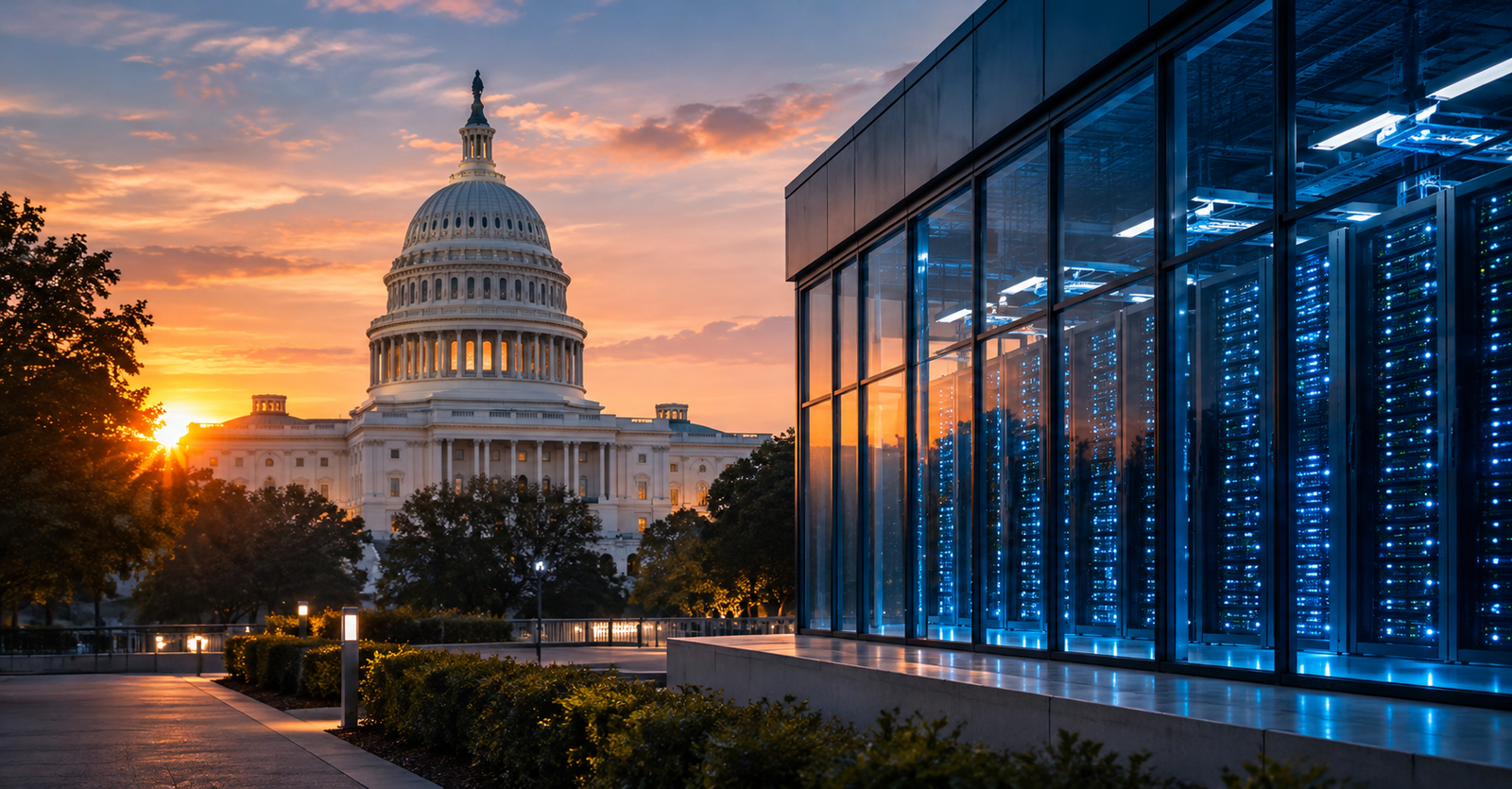
The US midterm elections impact on energy will reach well beyond Washington. On November 3, 2026, voters handed Democrats control of both chambers of Congress. For anyone who builds, operates or protects data centers, refineries, LNG terminals and pipelines, the result changes three things at once: how fast AI infrastructure gets built, where it gets built, and how much new oil and gas infrastructure follows it.
The short version for industrial safety teams worldwide:
- AI and data centers: expect slower, more conditional U.S. build-out and stronger pressure on transparency, water, power and safety. Some capacity will look abroad, but power constraints limit how much can move.
- Oil, gas and LNG: a bipartisan permitting bill is moving in the lame-duck Senate. If it passes, U.S. gas power plants, pipelines and export capacity get faster approvals; if it stalls, projects slow down.
- Fire and gas safety: more scrutiny means higher compliance standards everywhere these projects land, from Texas to Europe, the Gulf and Latin America.
US midterm elections impact on energy: what happened on November 3
Democrats were projected to win both the House and the Senate, reversing Republican control of Congress for the final two years of President Trump’s term (ABC News). Before the vote, Republicans held the House 218–214 and the Senate 53–47 (Mappr).
Two points matter for timing:
- The new Congress is seated in January 2027. Until then, the outgoing Congress keeps working in a “lame-duck” session, and that is where the energy permitting bill is now moving.
- The President keeps his veto. Democrats cannot pass sweeping changes on their own, so expect oversight, hearings and negotiated bills rather than sudden reversals.
Energy costs were a central campaign theme. Energy prices became one of the top economic issues of the cycle, alongside healthcare costs (IG), and data centers became part of the same affordability debate.
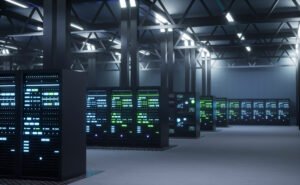
AI: stricter U.S. oversight, global ripple effects
The AI industry now faces a significantly stricter regulatory outlook in the U.S. Newly elected legislators and governors campaigned on slowing data center construction and tightening rules for the sector (The National News Desk).
What is likely to change:
- More oversight. The incoming majority is expected to hold more hearings, investigations and subpoenas on AI companies’ safety standards (The National News Desk).
- Safety-focused bills. Proposals already introduced include a “kill switch” for models that escape human control and limits on so-called superintelligence. Some have bipartisan support, but the path to law is unclear (WJLA).
- A counterweight in the White House. The administration has backed the industry and framed the AI race with China as the priority, so major federal restrictions would need to survive a veto.
Why it matters globally: U.S. companies build and operate a large share of the world’s AI infrastructure. Disclosure rules on power, water and safety adopted in the U.S. tend to become the baseline for their projects abroad, and other governments often borrow from U.S. rules when drafting their own.
Data center moratorium votes and where capacity goes next
In the US midterm elections, data centers were on the ballot directly. In 44 of the 45 completed votes, local and state initiatives restricting data centers were approved, according to Redbud Consulting (WSET). The main concerns were higher electricity bills and water use.
In practice, U.S. projects will keep moving, but with more conditions:
- No national moratorium. Calls for one face long odds in Congress and a certain presidential veto (WJLA). The real friction is at the state and county level.
- Operators paying their own way. OpenAI renewed its pledge to cover the full cost of grid upgrades and electricity for its data centers, publish power and water use, and favor low-water cooling (The National News Desk).
- Transmission costs. The Senate permitting bill would require data centers to pay all of their associated transmission costs (Benton Institute).
Will the build-out move abroad? Partly. Even before the election, Morgan Stanley cut its estimate of the U.S. share of global computing capacity from 60% to 55%, citing a projected 32 GW U.S. power shortfall for 2026–2028 (NewKerala/IANS). U.S. companies are already looking overseas, such as Nvidia’s planned 2 GW in Australia by 2027. But Europe, the Middle East and Asia all face their own limits, from grid capacity and slow planning approvals in Europe to the security risks the Iran conflict has exposed in the Gulf.
The result is a more distributed, more scrutinized global build-out. Wherever new capacity lands, local regulators are likely to ask the same questions U.S. voters asked about power, water and safety.

Oil, gas and US LNG exports: permitting reform, prices and trade
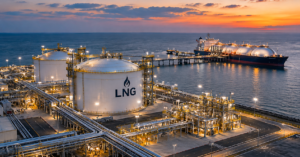
For oil and gas, the most important decision after the US midterm elections is a permitting bill, not a new drilling rule. On November 9, the Senate voted 73–25 to advance the Bipartisan American Affordability and Jobs Act (BAAJA), a broad overhaul of how energy and infrastructure projects are approved (RTO Insider). A final Senate vote is expected next week, and the House must still act. House Democratic leader Hakeem Jeffries has asked for more input from his caucus (Axios).
Views on the bill are split:
- Supporters include clean energy developers, oil and gas producers, mining companies and trade unions. Wood Mackenzie sees permitting reform as the likeliest route to faster approvals for gas, transmission and wind, and links it to a forecast of 166 GW of new U.S. gas-fired capacity (Wood Mackenzie).
- Critics, including environmental groups, argue it weakens environmental rules and fast-tracks data centers and the gas infrastructure that powers them (Food & Water Watch).
Other shifts the industry is preparing for:
- Oversight. Democratic lawmakers may investigate decisions on oil and gas leasing, environmental regulation and international petroleum deals (Oil & Gas 360).
- Market reaction. Oil prices and energy stocks fell after the results, though analysts noted oil was down, not collapsing, given the ongoing Iran crisis (Fortune).
- Trade partners. Asian energy importers are reassessing their outlook for oil, gas and trade after the vote, as they seek relief from the Iran conflict and U.S. tariffs (Oil & Gas 360).
Why it matters globally: the U.S. is the world’s largest LNG exporter, and Europe takes about two-thirds of its cargoes (Baird Maritime/Reuters). Faster or slower U.S. approvals for pipelines and export terminals feed directly into gas supply and prices in Europe, Asia and Latin America.
What it means for data center fire safety and industrial gas detection worldwide
Whatever happens in Congress after the US midterm elections, the direction is the same: AI and energy infrastructure will be built under closer public scrutiny, and safety systems will be part of how projects earn approval. Data centers that run gas turbines on site, store energy in large lithium-ion battery systems and draw on new pipelines combine data center risks with oil and gas risks in one facility.
| Region | What the U.S. result changes | Fire and gas safety priorities |
|---|---|---|
| United States | Slower, more conditional data center approvals at state level; possible faster permitting for gas plants and pipelines if BAAJA passes | Early-warning smoke detection in data halls, battery off-gas monitoring, flame and gas detection at on-site gas generation |
| Europe | Continued reliance on U.S. LNG; some data center demand looking for a home despite grid limits | Gas detection and flame detection at LNG terminals and regasification, fire suppression for new and expanded data centers |
| Middle East | Sovereign AI projects continue but face security reassessment; energy producers expand gas | Hazardous-area flame and gas detection, resilient fire systems for critical facilities |
| Asia-Pacific | Importers reassessing LNG and trade exposure; new AI capacity (e.g., Australia) | Gas detection across LNG import chains, data center fire protection at scale |
| Latin America | Exposure to U.S. LNG and fuel prices; growing data center markets | Code-compliant detection and suppression for new data centers, gas safety in energy infrastructure |
For engineers and buyers, three practical takeaways:
- Design for disclosure. Projects that can document their safety, power and water performance will move faster through local approvals, in the U.S. and elsewhere.
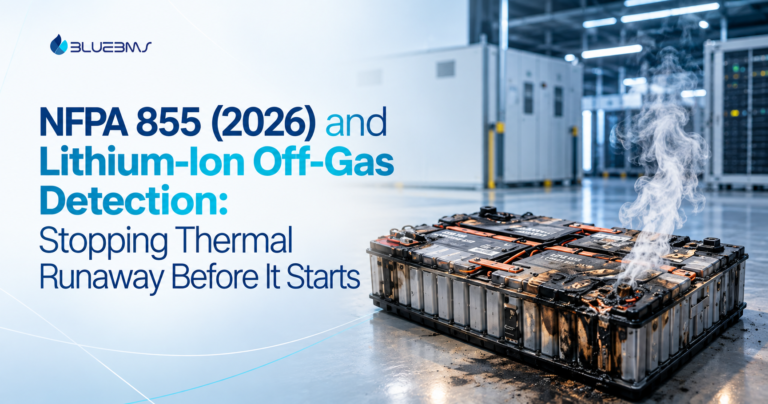
- Treat battery storage as a hazard class of its own. Large UPS and battery energy storage systems need off-gas detection (such as Honeywell Li-ion Tamer) in addition to smoke detection, because off-gassing can give early warning of thermal runaway.
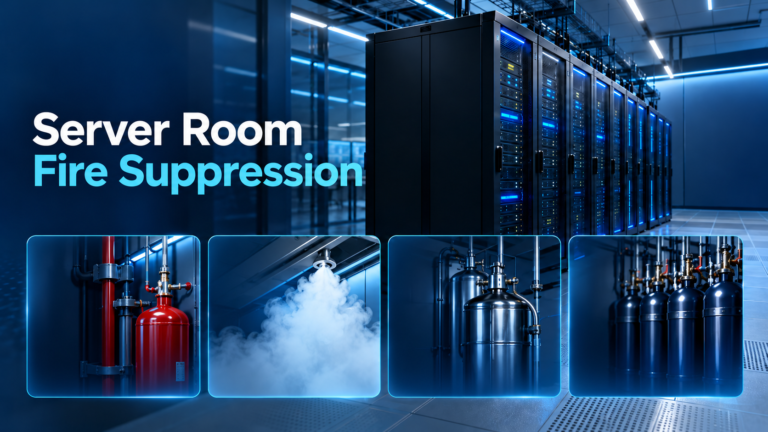
- Plan for hybrid sites. A data center with on-site gas generation needs both data center protection (aspirating smoke detection, clean-agent suppression) and oil and gas protection (flame and combustible gas detection).
FAQ
What is the US midterm elections impact on energy? The new Democratic Congress is expected to increase oversight of AI companies, data centers and the oil and gas industry. The biggest near-term lever is the BAAJA permitting reform bill, which would speed approvals for pipelines, power plants and transmission if it becomes law.
Who won the 2026 U.S. midterm elections? Democrats were projected to win control of both the House and the Senate. The new Congress takes office in January 2027, while President Trump remains in office with veto power.
Will the U.S. ban new data centers? A national moratorium is very unlikely: it faces long odds in Congress and a certain veto. Expect more state and local conditions on power, water and community impact instead.
How could the midterms affect global LNG supply? The main lever is permitting. If the BAAJA permitting bill becomes law, U.S. pipelines and gas infrastructure could be approved faster. Since the U.S. is the largest LNG exporter, that affects supply in Europe, Asia and Latin America.
What does this mean for fire and gas detection? More scrutiny of data centers and energy projects raises the bar for safety documentation and compliance. Hybrid sites that combine data halls, battery storage and on-site gas generation need detection and suppression for all three risks.
The bottom line
The US midterm elections impact on energy is not a halt to the AI and energy build-out, but a change in its terms. U.S. projects now face more scrutiny, part of the demand will spread to other regions, and the fate of permitting reform will shape gas and LNG supply worldwide. For safety professionals, that means more projects where fire and gas protection is part of the approval case, not an afterthought.
Blue BMS supplies fire detection, gas detection and fire suppression systems from leading brands to data center, oil and gas, and industrial projects worldwide, with hubs in the United States, Portugal and Dubai. Talk to our team about protecting your next project.
Sources
- ABC News — Midterm election 2026 live results
- Mappr — The 2026 US Midterms, Mapped
- The National News Desk — AI industry faces new political reality after Democratic gains
- IG — Ballots to Barrels
- NewKerala/IANS — Morgan Stanley cuts US global computing share forecast
- RTO Insider — Senate permitting reform bill clears cloture vote
- Axios — The path ahead for the permitting bill
- Benton Institute — BAAJA introduced
- Wood Mackenzie — Permitting reform is likely move for Democratic-controlled Congress
- Food & Water Watch — Senate votes to advance permitting bill
- Oil & Gas 360 — Energy investors face new policy uncertainty
- Fortune — Blue wave and oil prices
- Baird Maritime/Reuters — US LNG exports hit back-to-back monthly highs