Industrial Gas Detection: 7 Lessons from the Longview Chemical Accident
Industrial Safety · Gas Detection · Process Safety · June 2026
Quick Answer
Industrial gas detection systems provide early warning of hazardous gas releases, helping facilities identify dangerous conditions before they escalate into major accidents. The Longview chemical tank disaster demonstrates why continuous monitoring, process safety, and layered protection remain critical in high-risk industrial environments.
According to industrial safety best practices, effective industrial gas detection combines continuous monitoring, early leak identification, alarm management, and emergency response integration. The Longview accident demonstrates why these systems remain a critical layer of protection in facilities handling hazardous chemicals.
What Happened During the Longview Chemical Accident?
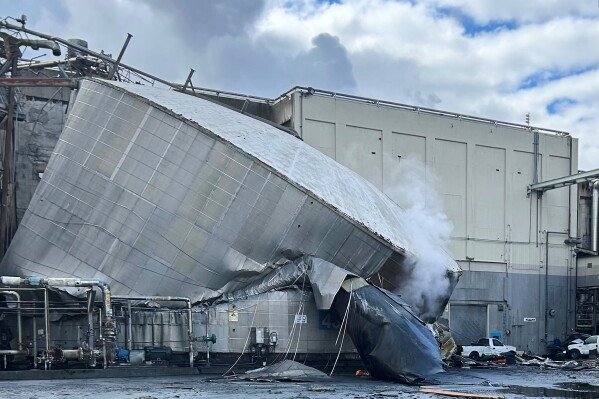
On May 26, 2026, a catastrophic rupture occurred in a chemical storage tank at a paper manufacturing facility in Longview, Washington.
The tank contained “white liquor,” a highly corrosive chemical solution used in the pulp and paper industry. Following the rupture, a massive release of hazardous material spread throughout the facility, ultimately causing 11 fatalities and multiple injuries.
While investigators continue to determine the exact cause, the incident has become one of the most significant industrial accidents reported in the United States in recent years.
Most importantly, this tragedy represents the loss of human lives. Our thoughts remain with the victims, their families, emergency responders, and everyone affected.
Why Industrial Gas Detection Matters More Than Ever
Every major industrial accident provides valuable lessons for safety professionals, engineers, plant managers, and operational leaders.
Facilities operating in industries such as:
- Oil and gas
- Chemical processing
- Petrochemicals
- Pulp and paper
- Mining
- Power generation
- Offshore production
- Data centers
all depend on multiple safety barriers working together.
The question every facility should ask is:
Would our industrial gas detection systems identify abnormal conditions early enough to prevent a similar event?
How Industrial Gas Detection Systems Work
Industrial gas detection refers to the continuous monitoring of hazardous gases that may pose risks to personnel, equipment, production processes, or the environment.
Modern gas leak detection systems help facilities identify abnormal conditions before they develop into major incidents.
These systems are designed to identify dangerous conditions before they reach hazardous levels.
Depending on the application, gas detection systems monitor:
- Hydrogen sulfide (H₂S)
- Carbon monoxide (CO)
- Sulfur dioxide (SO₂)
- Ammonia (NH₃)
- Methane (CH₄)
- Combustible hydrocarbons
- Toxic process gases
When abnormal concentrations are detected, alarms can notify operators immediately and initiate emergency actions.
In many facilities, gas detection systems are integrated with fire alarm infrastructure following guidance from NFPA 72, helping ensure rapid notification and coordinated emergency response.
How Do Major Industrial Accidents Usually Occur?
According to established process safety principles, catastrophic accidents rarely result from a single failure.
Instead, they occur when multiple protection layers fail simultaneously.
Typical safety barriers include:
Process Monitoring
Continuous supervision of pressure, temperature, flow, and tank levels.
Mechanical Integrity Programs
Inspection and maintenance programs designed to identify equipment degradation before failure occurs.
Gas Detection Systems
Early identification of toxic, flammable, or hazardous releases.
Alarm and Notification Systems
Immediate communication of abnormal operating conditions.
Emergency Shutdown Systems (ESD)
Automatic or manual actions that place processes in a safe condition.
Emergency Response Planning
Procedures designed to minimize injuries and damage once an incident occurs.
Many of these protection layers are addressed by OSHA Process Safety Management (PSM) guidelines, which establish requirements for managing highly hazardous chemicals and reducing the likelihood of catastrophic releases.
The Longview accident occurred during a shift change, one of the most vulnerable operational periods in industrial facilities, when attention is divided between outgoing and incoming personnel.
7 Safety Lessons Every Industrial Facility Should Learn
1. Small Process Deviations Should Never Be Ignored
Many catastrophic incidents begin with minor abnormalities that go unnoticed.
2. Continuous Monitoring Creates Valuable Response Time
The earlier an anomaly is detected, the greater the opportunity for corrective action.
3. Mechanical Integrity Is Critical
Storage tanks, piping systems, and process equipment require ongoing inspection and maintenance.
4. Layered Protection Is Essential
No single safety system can eliminate risk.
5. Emergency Response Planning Saves Lives
Prepared teams respond faster and more effectively during emergencies.
6. Detection Systems Must Be Properly Maintained
Even the best technology requires regular testing and calibration.
7. Safety Must Be Proactive, Not Reactive
The objective is not simply responding to incidents but preventing them from occurring.
What Technologies Are Used in Industrial Gas Detection?
Electrochemical Gas Detectors
Ideal for toxic gases such as H₂S, CO, NH₃, and SO₂.
Infrared (IR) Gas Detectors
Highly accurate for hydrocarbon and combustible gas detection.
Catalytic Gas Detectors
Commonly used for monitoring flammable gases in hazardous areas.
Ultrasonic Gas Detectors
Capable of identifying pressurized gas leaks before gas clouds reach conventional sensors.
Integrated Monitoring Networks
Integrated monitoring networks, including Det-Tronics gas detection solutions, consolidate multiple detection points into a centralized safety platform that improves operational visibility and response times.
Equipment installed in hazardous areas often follows the requirements established by IEC 60079 hazardous area standards, which govern equipment used in potentially explosive atmospheres.
This is why modern industrial facilities increasingly invest in integrated Fire and Gas (F&G) systems that combine gas detection, fire detection systems, process monitoring, and emergency response capabilities.
Frequently Asked Questions About Industrial Gas Detection
What is industrial gas detection?
Industrial gas detection is the use of fixed or portable sensors to continuously monitor hazardous gases and alert personnel when dangerous conditions develop.
Can gas detection systems prevent industrial accidents?
Gas detection systems cannot prevent every accident, but they can provide early warning of hazardous conditions, allowing personnel to take corrective action before incidents escalate.
What industries require gas detection systems?
Oil and gas facilities, chemical plants, paper mills, refineries, offshore platforms, mining operations, power plants, and many manufacturing facilities commonly utilize gas detection technologies.
What is the difference between gas detection and flame detection?
Gas detection identifies hazardous gases before ignition occurs, while flame detection identifies active combustion events.
How often should gas detectors be calibrated?
Most industrial gas detectors require periodic testing and calibration according to manufacturer recommendations and site safety procedures.
How Blue BMS Supports Industrial Safety
Blue BMS is a global B2B distributor specializing in fire detection, gas detection, fire suppression, electronic security, and Building Management Systems (BMS), serving industries such as oil and gas, offshore operations, data centers, and complex industrial facilities.
We work with leading manufacturers—including Det-Tronics, Hochiki, Morley, Notifier, and others—to provide technical solutions tailored to each application.
If you are evaluating or reviewing the gas detection systems within your industrial facility, contact our team to discuss your requirements and identify the most suitable solution for your application.
Our thoughts remain with the victims, their families, emergency responders, and everyone affected by this tragedy.