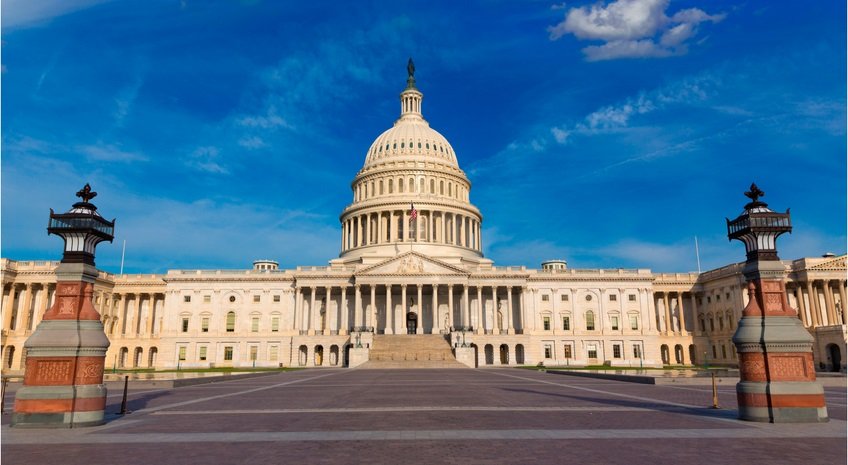
Government buildings such as courthouses, administrative centers, public hospitals, and command centers cannot afford to fail when it comes to safety. In these environments, the impact of a fire goes far beyond property loss: it threatens essential public services, sensitive data, and the operational continuity of the State.
Generic systems in critical environments
Many public facilities still operate with fire safety systems installed without a tailored risk assessment. The result? Undersized or poorly positioned systems that create a false sense of security.
In a scenario of limited public budgets, every dollar invested must demonstrate proven effectiveness. This is where risk assessment becomes the first and most critical step.
What does a technical fire risk assessment evaluate?
A well-executed risk assessment should consider:
-
Occupancy and building use: Schools, police stations, and data centers require different approaches.
-
Specific thermal loads: Areas with physical archives, electronic equipment, or flammable materials.
-
Escape routes and response time: Evacuation feasibility based on the real layout of the building.
-
Intentional fire risk (sabotage): Especially relevant in public safety and critical infrastructure.
-
Simulated fire scenarios aligned with standards: ABNT NBR 17240, State Fire Codes (ITs), and, when applicable, NFPA 551.
Tangible benefits for the public sector
-
Technical justification in procurement and bidding processes.
-
Investment prioritization based on real risk exposure.
-
Reduction in legal liabilities and audit risks.
-
Optimized technology deployment: detection, suppression, and remote monitoring.
-
Conclusion
In a time of budget constraints and high performance accountability, designing fire safety projects based on risk analysis is not just advisable — it’s strategic.
Are you part of a public institution or responsible for safety projects in government buildings?
Our technical team can assist in developing risk assessments that support safer, compliant, and budget-justified projects.
Contact us to learn how to tailor this service to your facility’s needs.