
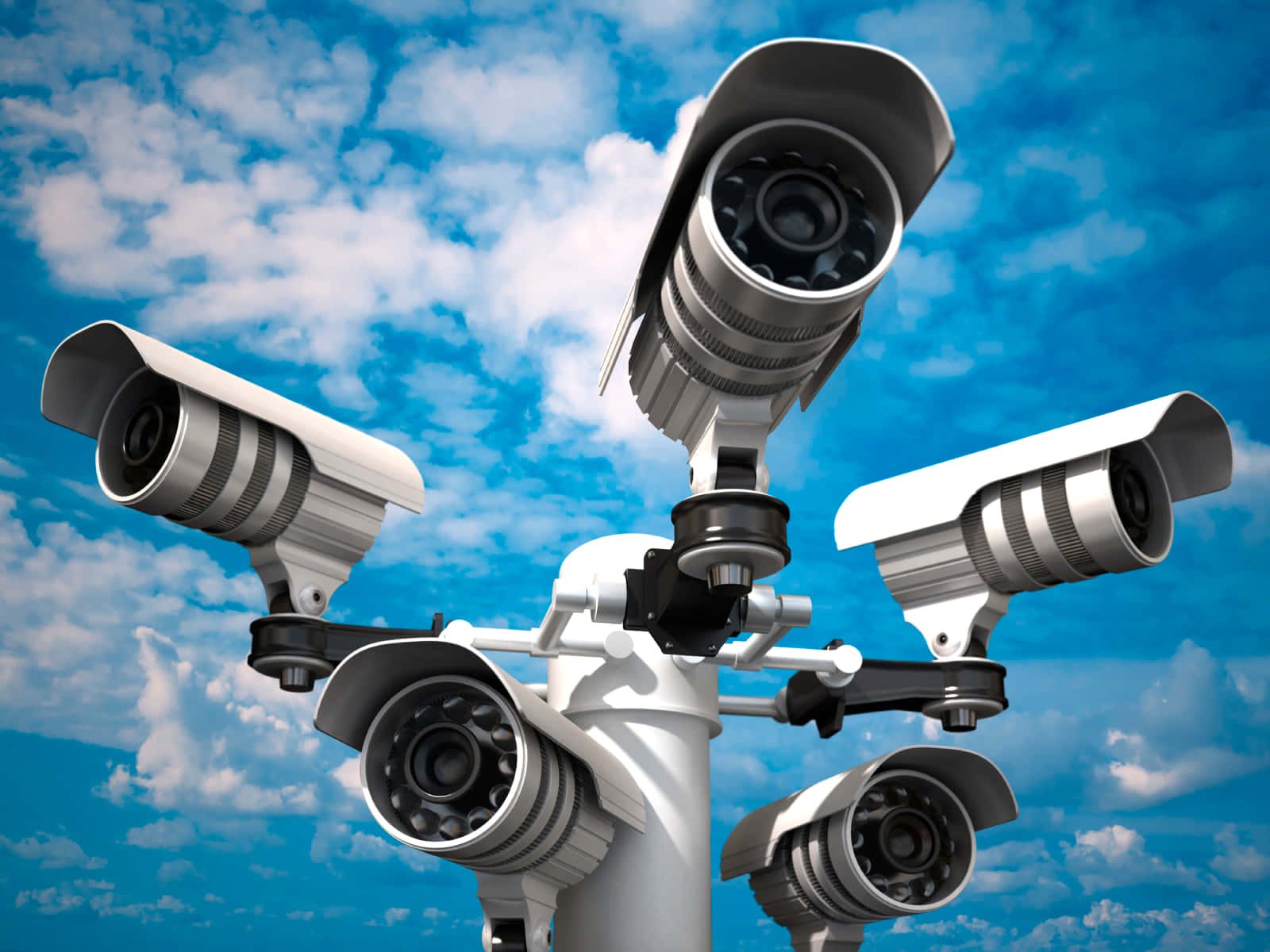
Electronic Security in Hazardous Areas: Designing Surveillance Systems Where Failure Is Not an Option
Table of Contents
- What is electronic security in hazardous areas?
- Hazardous area classifications explained
- Why standard security systems fail
- Explosion-proof security equipment
- Key certifications: ATEX, IECEx, NEC
- System architecture best practices
- Thermal imaging & analytics
- Common engineering mistakes
- Role of security in process
- FAQ
Introduction: Security Changes When the Atmosphere Can Explode
Electronic security is usually treated as a support system — cameras, access control, monitoring software quietly doing their job in the background. But in hazardous areas, especially in oil & gas, petrochemical, offshore platforms, LNG terminals, refineries, and classified industrial zones, electronic security becomes something else entirely.
Here, the environment itself is hostile.
Flammable gases. Combustible dust. Corrosive atmospheres. Extreme temperatures. Vibration. Salt spray. Constant mechanical stress. One wrong device, one uncertified enclosure, one overheated component — and the security system itself can become an ignition source.
This is why electronic security in hazardous areas is not about visibility alone.
It is about risk control, compliance, and system integrity under extreme conditions.
This article breaks down:
- What truly defines a hazardous area
- Why conventional security systems fail in these environments
- The standards that govern explosion-proof electronic security
- How to design compliant, reliable surveillance architectures
- Common mistakes engineers still make in classified zones
- Where electronic security fits into the wider safety ecosystem
No marketing hype. Just engineering reality.
1. What Defines a Hazardous Area?
A hazardous area is any location where flammable gases, vapors, mists, or combustible dusts are present — or may be present — in sufficient quantities to create an explosive atmosphere.
These areas are classified to control ignition risks from:
- Electrical equipment
- Mechanical sparks
- Hot surfaces
- Static discharge
Common Hazardous Environments
- Offshore oil & gas platforms
- Onshore refineries and petrochemical plants
- LNG terminals and gas processing facilities
- Chemical manufacturing units
- Tank farms and loading terminals
- Grain silos and dust-laden industrial plants
- Battery rooms and hydrogen storage areas
In these zones, every electrical device is a potential ignition source — including cameras, network switches, access readers, and intercoms.
2. Hazardous Area Classification Systems (Zone vs Division)
Before any electronic security device is specified, engineers must understand how the area is classified.
Zone System (IEC / ATEX / IECEx)
Used globally and mandatory in Europe, Middle East, Asia, and most international oil & gas projects.
- Zone 0 – Explosive atmosphere present continuously or for long periods
- Zone 1 – Likely to occur during normal operation
- Zone 2 – Not likely in normal operation, but possible under abnormal conditions
For dust:
- Zone 20, 21, 22
Division System (NEC / NFPA – North America)
- Division 1 – Hazard present under normal conditions
- Division 2 – Hazard present under abnormal conditions
Security equipment must be certified specifically for the zone or division where it will be installed.
There are no shortcuts here.
3. Why Standard Electronic Security Systems Fail in Hazardous Areas
Most commercial security products are designed for:
- Offices
- Warehouses
- Retail
- Corporate buildings
- Data centers (non-classified)
When deployed in hazardous areas without proper certification, they introduce serious risks.
Key Failure Points
3.1 Electrical Ignition
- Internal electronics generate heat
- Power fluctuations can cause sparks
- Fault conditions can exceed safe temperature limits
3.2 Ingress and Corrosion
- Gas, dust, salt fog, and moisture penetrate housings
- Leads to shorts, overheating, or mechanical failure
3.3 Mechanical Stress
- Vibration from compressors, pumps, and turbines
- Causes cable fatigue and loose connections
3.4 Non-Compliant Maintenance
- Opening a non-certified enclosure in a live hazardous area can instantly violate safety rules
Bottom line:
A cheap camera in a hazardous area is not “cost-effective” — it is a liability.
4. Explosion-Proof and Hazardous-Area Rated Security Equipment
Electronic security devices used in hazardous areas must be designed so they cannot ignite the surrounding atmosphere, even under fault conditions.
Core Design Principles
- Flameproof or explosion-proof enclosures
- Temperature control below ignition thresholds
- Sealed cable entries and glands
- Pressure-resistant housings
- No external sparking components
Typical Hazardous-Area Security Devices
4.1 Explosion-Proof Cameras
Used for:
- Process monitoring
- Perimeter security
- Asset protection
- Incident verification
Features include:
- Stainless steel or aluminum housings
- ATEX / IECEx / Class I Div 1 or 2 certification
- IP66 / IP67 ingress protection
- Wide temperature operation
- Fixed, PTZ, thermal, or hybrid imaging
4.2 Hazardous-Area Intercoms
- Emergency communication
- Access control verification
- Control room coordination
Must be:
- Hands-free or glove-compatible
- Noise-canceling
- Certified for gas and dust zones
4.3 Explosion-Proof Access Control
- Card readers
- Biometric systems
- Emergency door release stations
Often overlooked, but critical at:
- Control rooms
- Restricted process areas
- Offshore accommodation zones
5. Key Certifications and Standards Engineers Must Know
If a device doesn’t carry the right certification, it doesn’t belong in the zone — full stop.
Major Standards
ATEX (Europe)
- Directive 2014/34/EU
- Mandatory for equipment used in explosive atmospheres within the EU
IECEx (International)
- Globally recognized
- Widely required in oil & gas megaprojects
NEC / NFPA (North America)
- Class I, II, III
- Division 1 & 2
- Articles 500–505
IP Ratings
- Dust and water ingress protection
- Minimum IP66 for harsh environments
Temperature Class (T-Rating)
- Ensures surface temperature stays below ignition temperature
- T1 to T6 classifications
Security engineers must verify zone, gas group, temperature class, and enclosure rating — not just “explosion-proof” labels.
6. System Architecture for Hazardous-Area Surveillance
Designing electronic security in hazardous areas is not about individual devices — it’s about system architecture.
6.1 Edge vs Control Room Separation
- Cameras and field devices in hazardous zones
- Recording servers, VMS, and storage in safe areas
- Fiber preferred over copper to reduce ignition risk
6.2 Network Design Considerations
- Intrinsically safe barriers where required
- Redundant network paths
- Industrial-grade switches
- EMI and surge protection
6.3 Power Distribution
- Certified power supplies
- Isolation transformers
- UPS systems located outside hazardous zones
6.4 Cybersecurity
Security systems are now IP-based and networked. In oil & gas, cybersecurity is safety.
Key points:
- Segmented networks
- Hardened firmware
- Role-based access
- Compliance with IEC 62443 where applicable
7. Thermal Imaging and Analytics in Hazardous Areas
One major evolution in hazardous-area electronic security is the integration of thermal cameras and analytics.
Why Thermal Matters
- Detects overheating equipment
- Identifies leaks and abnormal temperature patterns
- Works in smoke, fog, and total darkness
- Adds early warning capability beyond visual monitoring
When combined with analytics:
- Perimeter intrusion detection
- Unauthorized access alerts
- Process anomalies
- Integration with fire & gas systems
This blurs the line between security and safety, which is exactly where modern facilities are heading.
8. Common Engineering Mistakes (Still Happening)
Even experienced projects fail here.
Mistake 1: Using “Industrial” Instead of “Hazardous-Area Certified”
Industrial ≠ explosion-proof.
Mistake 2: Ignoring Temperature Class
A device can be certified but still wrong for the gas group.
Mistake 3: Poor Cable Gland Selection
One incorrect gland defeats the entire enclosure rating.
Mistake 4: Underestimating Maintenance
If maintenance requires opening enclosures, certification and procedures must allow it safely.
Mistake 5: Treating Security as Secondary
Security incidents in hazardous areas often escalate into process safety events.
9. Electronic Security as Part of the Safety Ecosystem
In modern oil & gas facilities, electronic security is no longer isolated.
It integrates with:
- Fire detection systems
- Gas detection systems
- Emergency shutdown (ESD)
- Building management systems (BMS)
- SCADA and control systems
The goal is situational awareness:
- Faster response
- Better decision-making
- Reduced human exposure to risk
Security becomes another layer of protection, not just surveillance.
Conclusion: Engineering Discipline Over Shortcuts
Electronic security in hazardous areas demands the same discipline as fire detection, gas detection, and suppression systems.
There is no room for:
- Improvised solutions
- Non-certified equipment
- Cost-driven shortcuts
- Generic designs copied from non-classified environments
When designed correctly, electronic security:
- Improves safety
- Enhances operational visibility
- Supports compliance
- Protects people, assets, and continuity
When designed poorly, it becomes a risk in itself.
About Blue BMS
At Blue BMS, we support hazardous-area and oil & gas projects with certified electronic security solutions, including:
- Explosion-proof cameras
- Hazardous-area surveillance systems
- Integrated security architectures for classified environments
Our portfolio is built around internationally certified products designed for environments where error is not an option.
If you are designing or upgrading electronic security in hazardous areas and need technical support, compliant equipment, or system guidance, contact Blue BMS to discuss your application
Frequently Asked Questions (FAQ)
What is electronic security in hazardous areas?
Electronic security in hazardous areas refers to surveillance, access control, and monitoring systems specifically designed and certified to operate safely in explosive atmospheres where flammable gases, vapors, or dust may be present.
Why do security systems need certification in oil and gas facilities?
Because uncertified electronic equipment can become an ignition source. Certified systems ensure that cameras, intercoms, and access devices do not generate sparks, excessive heat, or electrical faults capable of triggering explosions.
What certifications are required for hazardous-area security equipment?
The most common certifications include ATEX (Europe), IECEx (international), and NEC Class/Division ratings (North America). Equipment must also meet temperature class and ingress protection requirements.
Can standard CCTV cameras be used in hazardous areas?
No. Standard CCTV cameras are not designed to prevent ignition risks. Only explosion-proof or intrinsically safe cameras certified for the specific zone or division are acceptable.
What is the difference between ATEX and IECEx certification?
ATEX is mandatory within the European Union, while IECEx is an international certification scheme accepted globally, especially in oil & gas megaprojects outside Europe.
How does electronic security improve safety in hazardous areas?
Beyond theft prevention, electronic security provides real-time situational awareness, supports emergency response, enables remote monitoring, and integrates with fire and gas systems to reduce personnel exposure to risk.
Are thermal cameras suitable for hazardous areas?
Yes, when properly certified. Thermal cameras are increasingly used in hazardous areas for early detection of overheating equipment, leaks, and abnormal process conditions.
Where should recording servers be installed?
Recording servers and VMS platforms should always be located in safe, non-hazardous areas, with only certified field devices installed inside classified zones.
