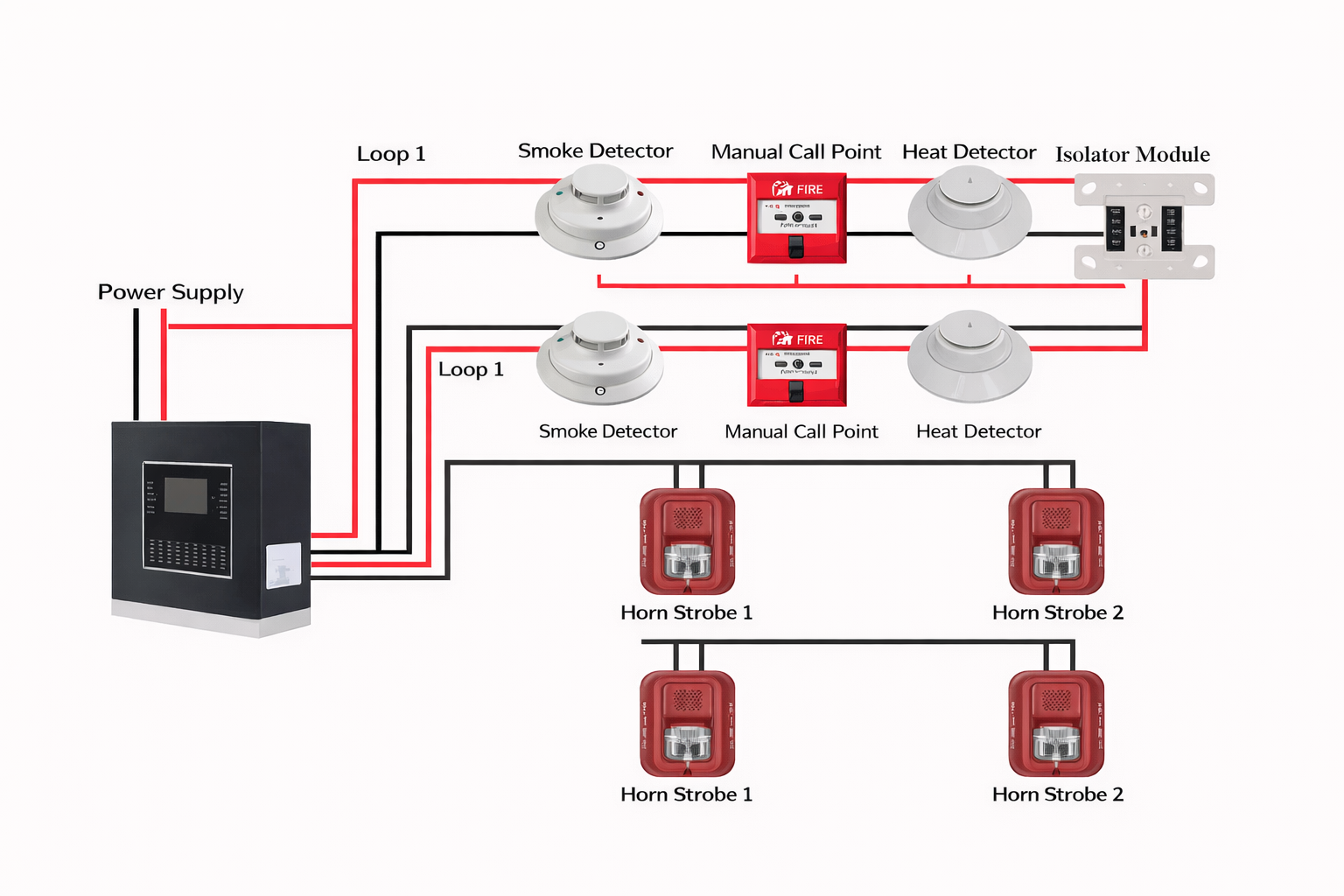
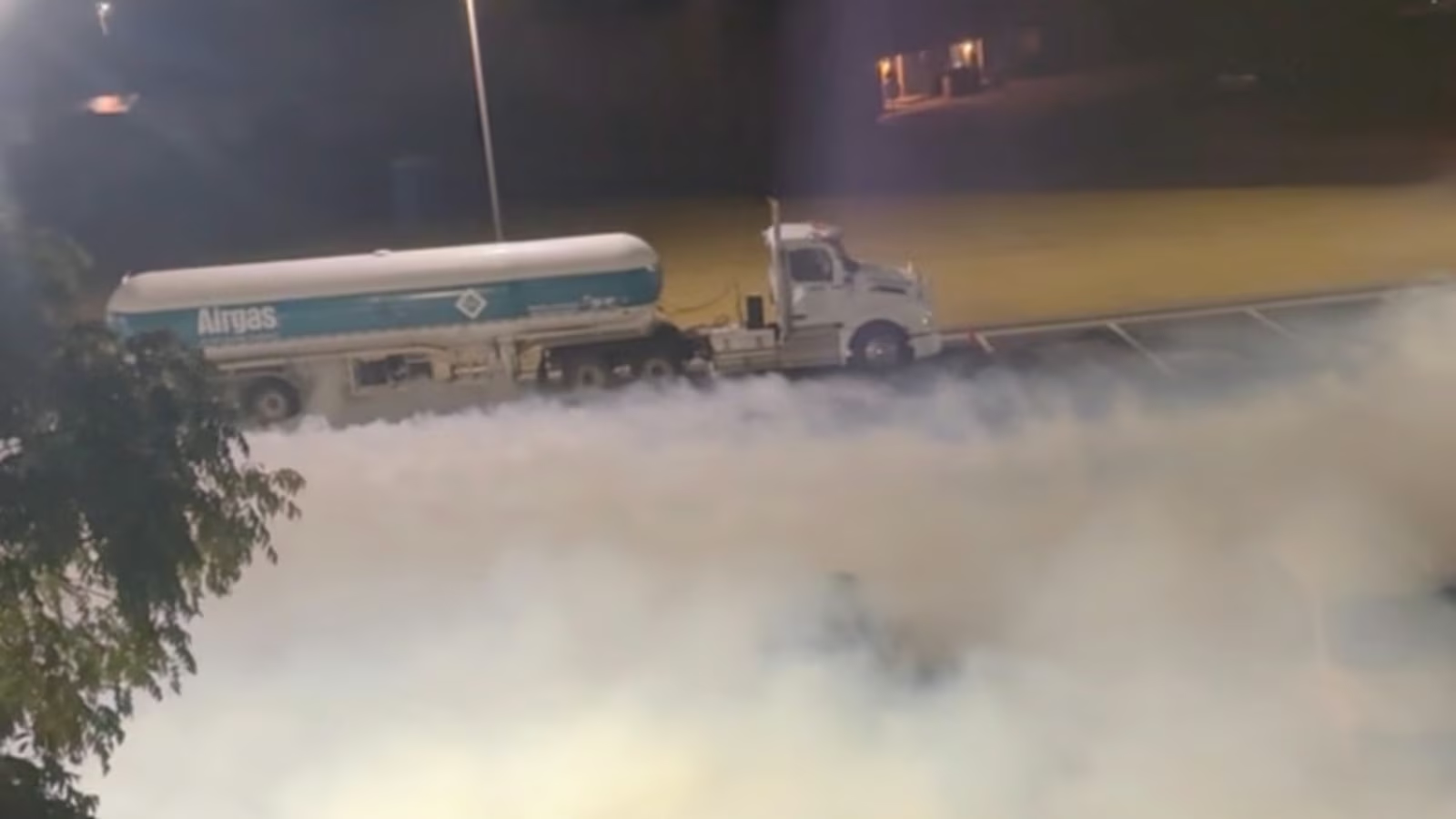
Fire detection
Insights
February 10, 2026
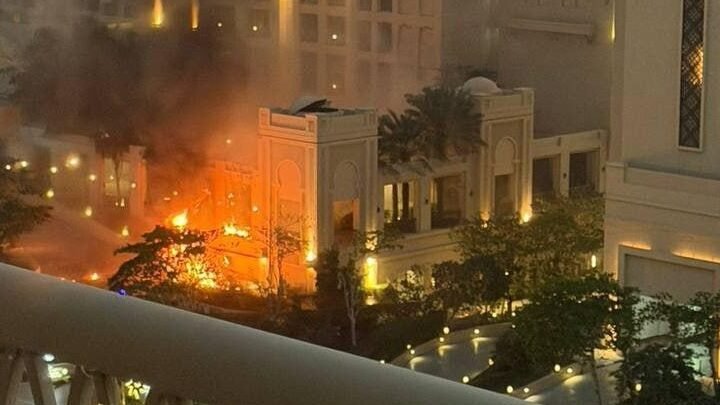
The Dubai attack unfolded over the weekend as a high-intensity security incident involving missile and drone activity tied to a wider regional escalation. This event triggered multiple air-defense interceptions, falling debris, and localized impacts across parts of the city. Reports described damage near major infrastructure, including transport and port areas, alongside disruptions to normal movement, travel, and business operations.
The most significant wave of the Dubai attack began Saturday, February 28, 2026, continuing into Sunday, March 1, 2026. Residents and travelers reported multiple rounds of blasts and intercepts across the night and early morning hours.
Key timing pattern reported:
Late Saturday night → early Sunday: the heaviest period of intercept activity and visible explosions in the sky during the attack
Sunday daytime: ongoing security response, smoke and fire activity in affected areas, and extended travel disruption linked.
The Dubai attack involved projectiles consistent with missiles and armed drones launched toward the UAE. Air-defense systems reportedly intercepted many incoming threats, but even successful intercepts can create ground danger. During the attack, debris and secondary impacts reportedly ignited fires, damaged structures, and caused injuries.
Reports surrounding the tragedy described effects in and around:
Critical transport nodes (including airport-area disruption)
Port and logistics zones (where fires and smoke were observed in at least one area)
High-visibility commercial and tourism locations, where even limited damage from the carries outsized psychological and economic impact
Even when defensive systems perform effectively, incidents like this can still result in:
Falling fragments damaging rooftops, facades, vehicles, and glass
Localized fires in fuel-adjacent or cargo-adjacent environments
Emergency service overload from multiple simultaneous incidents
Mass misinformation risk as viral clips about the Dubai attack outpace verified updates
The Dubai attack was widely framed as part of a broader Middle East escalation, where retaliation and counter-retaliation expanded beyond a single front. In this context, Dubai and the UAE can be seen as:
A strategic message target because of global visibility, aviation importance, and commercial symbolism
A pressure point to signal reach and raise costs for perceived allies or partners in the wider conflict environment
A way to disrupt infrastructure—especially aviation and logistics—without needing long-term ground presence
In short, the Dubai attack appears to have been less about Dubai alone and more about regional signaling, deterrence, and infrastructure disruption.
Authorities and major news reports described injuries linked to the Dubai attack and emergency response activity. In fast-moving situations like this, initial figures may change as hospitals reconcile admissions and agencies confirm cases.
Dubai’s role as a global transit hub means even short closures can ripple outward. Following the Dubai attack, the city experienced:
Flight suspensions, delays, and diversions
Passenger backlogs and disrupted itineraries across multiple regions
Operational slowdowns for businesses dependent on just-in-time shipping and air freight
Beyond immediate impacts, the Dubai attack may contribute to:
Temporary drops in tourism confidence
Higher security posture at malls, hotels, ports, and airports
Insurance and risk reassessments for major events and venues
When people hear about the attack, they often focus on defense systems in the sky. However, at street level, outcomes frequently depend on how well buildings and facilities detect, respond, and communicate during the first critical minutes.
Events like the Dubai attack highlight the importance of integrated safety systems and intelligent building infrastructure.
If falling debris from a Dubai attack triggers a small fire in a rooftop plant room, loading bay, or service corridor, the difference between a scare and a catastrophe often depends on:
Early smoke and flame detection
Automatic suppression readiness
Clear alarm zoning so responders go directly to the source
During a multi-incident scenario such as the Dubai attack, a well-integrated BMS can support:
Smoke control and ventilation logic
Elevator recall and access control
Emergency lighting and public-address coordination
Real-time dashboards for security and facility teams
The Dubai attack also reinforces that preparedness goes beyond technology. It requires:
Predefined incident playbooks
Drills for evacuation and shelter-in-place decisions
Coordination between private security, civil defense, and onsite engineering
Bottom line: The Dubai attack underscores why modern cities need integrated safety and facility intelligence—areas where advanced building-management ecosystems, including Blue BMS’s domain, play a crucial role.
Official updates on confirmed damage and casualty figures related to the Dubai attack
Aviation normalization and flight rescheduling timelines
Security posture changes around ports, airports, and tourist districts
Diplomatic messaging that may determine whether tensions escalate further
Verify fire detection coverage in critical infrastructure areas
Test BMS emergency sequences (smoke control, elevator recall, fail-safe logic)
Refresh shelter-in-place and evacuation playbooks
Confirm redundant communication systems
Conduct tabletop drills simulating multiple alarms triggered during a crisis similar to the Dubai attack
Reports described significant intercept activity, with some damage and injuries attributed to impacts or debris during the Dubai attack. Intercepts can reduce large-scale destruction while still creating localized hazards.
Dubai is a symbolic and strategic global hub for aviation, tourism, finance, and logistics. A Dubai attack creates international ripple effects beyond the immediate region.
Follow official airline guidance, monitor airport updates, and maintain flexible travel plans. Avoid relying solely on unverified social media content regarding the Dubai attack.