Burj Khalifa Fire Safety: How the World’s Tallest Tower Thinks About Risk
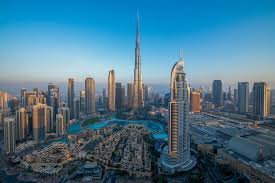
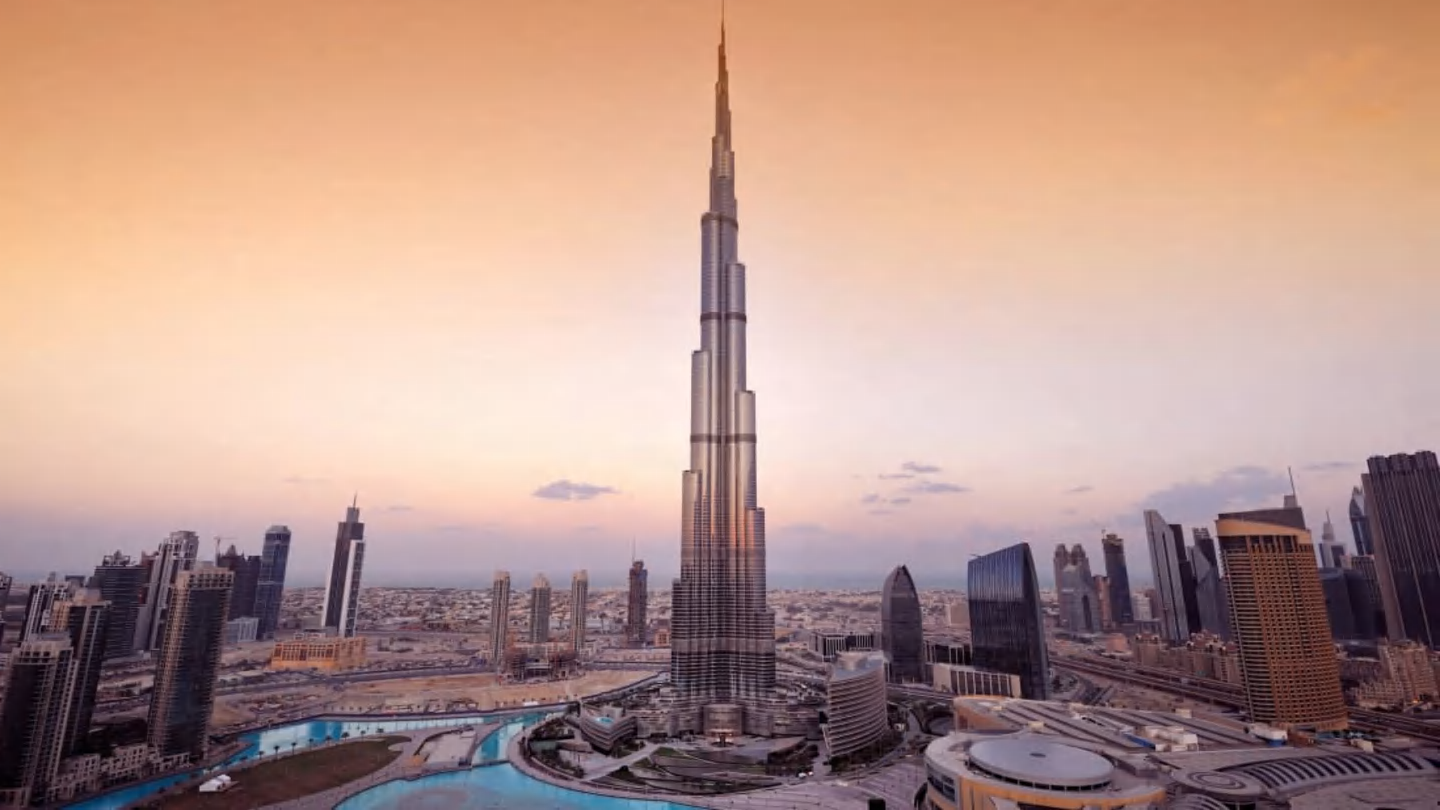
The Burj Khalifa is famous for its height, but its real flex is what that height forces engineers to solve. At 828 meters and 160+ floors, the tower isn’t just a skyline icon in Dubai — it’s a living case study in how modern megastructures manage fire safety when the usual playbook (short travel distances, quick exterior access, simple evacuation) no longer applies.
A tower this tall changes everything: how smoke moves, how people evacuate, how responders access floors, how systems communicate, and how decisions get made in seconds. In other words, the Burj Khalifa isn’t only about pushing the limits of architecture — it’s about pushing the limits of life safety engineering.
1) Why fire safety gets harder the taller you go
In a typical building, fire safety planning assumes:
- People can reach stairs fast
- Stairs stay usable
- Responders can access floors with ladders or external routes
- Evacuation can be relatively direct
In a supertall tower, those assumptions break.
Distance becomes risk. If you’re dozens of floors above the ground, “just go outside” isn’t a quick step — it’s a long journey. Fire safety is no longer only about suppression; it’s about maintaining tenable conditions long enough for people to move and for systems to respond.
Smoke becomes the main enemy. Fire is dangerous, but smoke is usually what makes evacuation fail: it reduces visibility, impairs breathing, and creates panic. In tall buildings, smoke behavior can be more complex because of vertical shafts, pressure differences, and the stack effect. The strategy is often to detect early, control the spread, and keep escape routes breathable.
Coordination becomes critical. Fire safety at this scale is not just hardware. It’s systems thinking: sensors, alarms, communication, zoning, pressurization, and decision trees that reduce chaos.
2) The idea of “iconic salience” — and why it matters for safety messaging
A lot of commentary around the Burj Khalifa frames it as more than functional real estate. Some narratives describe a “functional paradox”: a structure built at such an extreme scale that not every part must be fully optimized for daily occupancy. In that framing, the tower functions as a global symbol — a statement of ambition that sticks in memory.
That’s where the concept of iconic salience often comes in: build something so disproportionate that it becomes unforgettable, transforming architecture into a form of storytelling.
But here’s the thing: symbolism doesn’t survive contact with reality if safety fails. The bigger the icon, the higher the expectation that it performs under pressure — literally and figuratively. So even when people talk about the Burj Khalifa as branding or geopolitics, the only reason it can be a global icon is that the underlying life-safety engineering is designed to prevent a small incident from becoming a catastrophic one.
3) The core fire safety logic in supertalls
When engineers design for supertall fire safety, the mindset is usually layered:
A) Detect early (before conditions escalate)
A fast response starts with fast awareness. Detection is about catching abnormal conditions before they become unmanageable — and doing it in a way that reduces false alarms. In advanced systems, detection ties into centralized monitoring so teams can identify where the issue is and what systems should activate.
B) Control smoke (so evacuation routes remain usable)
Even if sprinklers do their job, smoke can still compromise escape routes. That’s why smoke management isn’t optional at this scale — it’s one of the main pillars.
C) Suppress quickly (limit growth + heat release)
Automatic suppression (commonly sprinklers) is designed to control or contain a fire early, reducing heat and slowing smoke production. In practical terms: suppression buys time.
D) Keep egress viable (people need a safe path)
Evacuation is only possible if stairs are usable and breathable. Systems like stair pressurization exist specifically because smoke infiltration is a known failure mode.
E) Coordinate decisions (command-and-control)
In a high-rise, you’re not just telling everyone to run. You’re coordinating a response: alerts, zoning, elevator logic, egress routing, and operational actions — and doing that with clarity.
4) Burj Khalifa fire safety features (as commonly described)
Based on the information you’re working with, the Burj Khalifa’s fire protection systems are described with several key features that map to the supertall logic above:
Resistant elevators (movement under controlled conditions)
The tower is described as having 38 fire- and smoke-resistant elevators. In high-rise safety planning, elevator strategy is always sensitive, because elevators can become smoke pathways if not properly protected and managed. That’s why the “resistant” framing matters: the goal is to reduce vulnerability and support controlled movement in emergencies, aligned with the building’s safety logic.
Pressurized stairwells (protect the escape route)
Pressurized stairs help keep smoke out by maintaining higher pressure inside the stairwell than outside. Think of it like building a “clean air bubble” around the path people need most. In supertalls, this is a huge deal because long vertical evacuation depends on stairs remaining tenable for a longer period.
Sprinklers with total coverage (control the fire early)
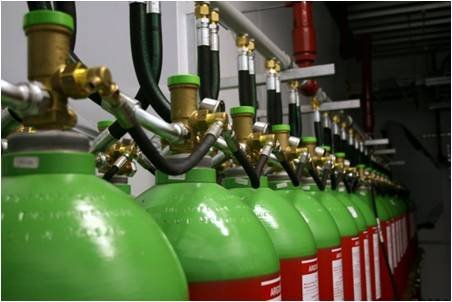
Automatic sprinklers across all levels are described as part of the system. From a risk perspective, the big win here is speed: sprinklers activate early, at the source area, and can slow or control the fire before it grows.
Central control + smart sensors (constant vigilance)
A centralized control hub with sensors is described as enabling early detection and ongoing vigilance. This is the command-and-control layer: knowing what’s happening, where it’s happening, and what systems should activate — fast.
Put together, these elements reflect a simple truth:
Extreme height requires extreme vigilance.
Not because fire is “more likely,” but because consequences scale with complexity — and complexity demands engineered clarity.
5) What the Burj Khalifa teaches the world about fire safety
You don’t need to own a supertall tower to learn from one. The Burj Khalifa highlights principles that apply to modern buildings everywhere — especially as cities push toward smarter, more connected infrastructure:
Fire safety is a system, not a product
Real protection isn’t “buy a device.” It’s how detection, suppression, smoke management, and operations work together.
Speed beats strength
The goal isn’t to “fight a big fire.” The goal is to keep fires small through rapid detection and immediate control.
Smoke management is not optional
If you want evacuation to work, you must keep escape routes breathable and visible.
Centralized visibility changes outcomes
When operators can see what’s happening and respond with clear logic, incidents are less likely to escalate.
Smart buildings still need basic physics
Even with intelligent sensors and control systems, fundamentals like pressure, airflow, and compartmentation still do the heavy lifting.
Conclusion
The Burj Khalifa is built to be unforgettable — and in many narratives, that’s exactly the point. But what makes the tower truly impressive is that its ambition is matched by life-safety thinking designed for extreme conditions.
By combining massive scale with layered fire safety strategies — resistant elevators, pressurized stairwells, full sprinkler coverage, and centralized monitoring — the Burj Khalifa doesn’t just defy gravity. It shows what the future of tall building safety looks like when engineering is treated as a non-negotiable foundation.