
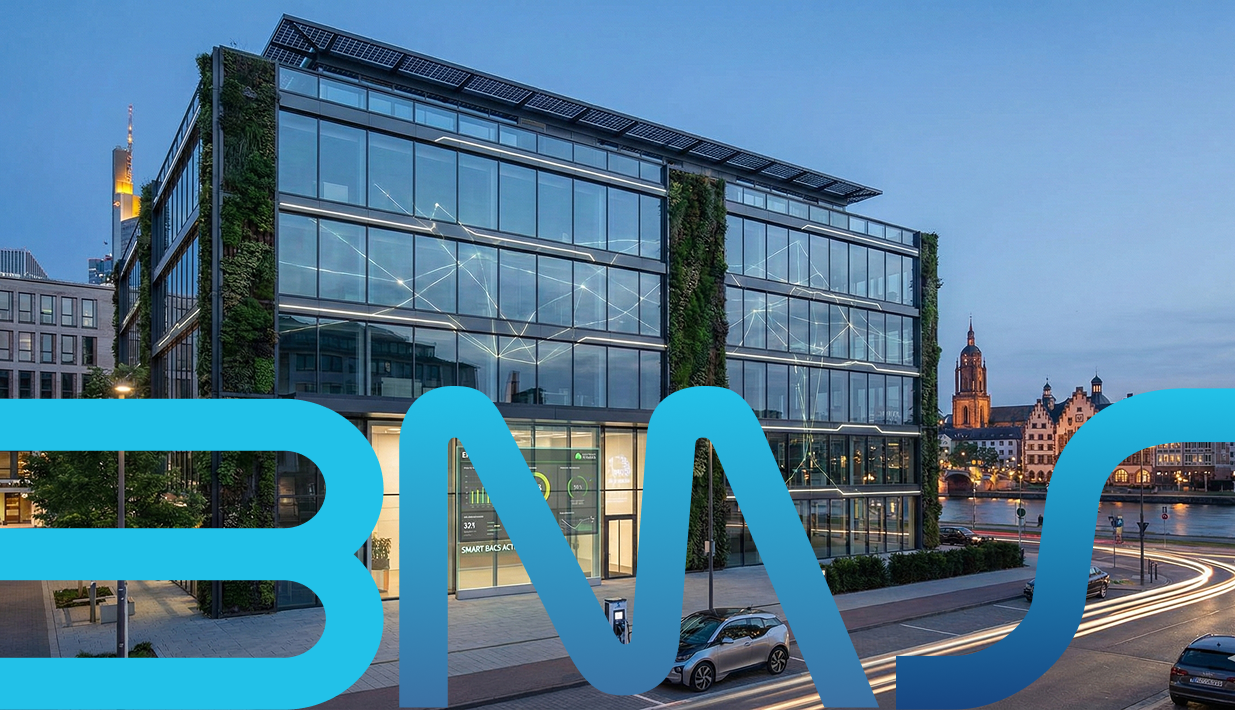
Building Management System (BMS): A Complete, High Performance Guide to Efficiency, Reliability, and Lifecycle Management

Building Management System (BMS): A Complete, High Performance Guide to Efficiency, Reliability, and Lifecycle Management A Building Management System (BMS) is no longer a “nice to have” tool. It’s the central intelligence layer of modern buildings—the system that drives automation, energy performance, security, comfort, compliance, and operational continuity. As buildings [...]
Building Management System (BMS): A Complete, High Performance Guide to Efficiency, Reliability, and Lifecycle Management Thumbnail
November 19, 2025
Share

Building Management System (BMS): A Complete, High

Performance Guide to Efficiency, Reliability, and Lifecycle

Management

A Building Management System (BMS) is no longer a “nice to have” tool. It’s the central intelligence layer of modern buildings—the system that drives automation, energy performance, security, comfort, compliance, and operational continuity. As buildings become more complex, more connected, and more digital, a BMS becomes the strategic backbone that keeps everything running safely and efficiently.For managers, engineers, integrators, and companies operating in critical sectors such as oil & gas, data centers, manufacturing, hospitals, and corporate infrastructure, correctly understanding and maintaining a Building Management System (BMS) is essential to ensuring energy efficiency, operational continuity, and risk mitigation.In this complete guide, you will learn how the BMS works internally, how it evolves throughout its lifecycle, how to optimize its operation to reduce costs, how to apply best practices for commissioning and maintenance, and how to protect this ecosystem from increasing cyber threats.


1. BAS vs. BMS: How They Differ and Why It Matters

A Building Automation System (BAS) and a Building Management System (BMS) operate together but represent different layers within the building automation architecture. Understanding these roles is fundamental to correctly managing the entire infrastructure.

Building Automation System (BAS): The Physical Layer

The BAS is the operational level. It connects controllers, sensors, actuators, valves, drives, and field networks such as BACnet®, Modbus, LON, or Profibus. It is responsible for logically executing:

  • HVAC routines (temperature, flow, pressure, ventilation)
  • Control of chilled water systems
  • Integration of chillers, AHUs, and VAVs
  • Automatic adjustments based on occupancy
  • Operational safety routines

In short: the BAS “acts,” taking actions and responding to the building’s physical conditions.

Building Management System (BMS): The Intelligent Layer

The Building Management System (BMS) is the supervisory software. It interprets, visualizes, and optimizes what the BAS is executing. The BMS integrates:

  • Advanced dashboards
  • Intelligent alarms
  • Automated operating modes
  • Energy analytics and reporting
  • AI, ML, and predictive trending
  • Integration with security and access control systems

While the BAS operates, the BMS thinks. It analyzes patterns, corrects deviations, generates insights, and increases overall efficiency.

2. Commissioning a Building Management System (BMS)

Commissioning is the critical first step to ensuring the Building Management System (BMS) is configured, calibrated, and validated to operate at peak performance from day one.

Without well-executed commissioning, sensors can be misaligned, controllers can exhibit logic errors, and the system can waste energy or even generate operational risks.

Key Commissioning Tasks

  1. Start-up Testing: Includes functional testing, automation verification, and validation of integration between subsystems. This is where controllers, sensors, and actuators are fine-tuned.
  2. Calibration Excellence: Every sensor needs to be calibrated with NIST-traceable instruments. An uncalibrated sensor compromises the entire BMS.
  3. Demonstration Phase: The client audits up to 10% of the I/O points. Any error triggers new verifications. This guarantees reliability.
  4. Acceptance Phase: The BMS enters live operation for two weeks. It is only accepted after operating without faults.

3. Advanced Maintenance, Optimization, and ROI Strategies

Maintaining a Building Management System (BMS) is not just about fixing failures. It is a continuous process of optimization, updating, analysis, and constant improvement.

Core Maintenance Actions

  • Firmware and software updates to patch security vulnerabilities.
  • Regular backups to prevent critical data loss.
  • Physical inspection of cabling, controllers, and I/O modules.
  • Periodic calibration to ensure reading accuracy.
  • Seasonal adjustments to HVAC routines.
  • Energy audits to identify waste.

How BMS Generates ROI

A properly configured Building Management System (BMS) ensures significant savings and improves overall performance.

  • Savings of 10% to 30% on energy usage.
  • Prolonged lifespan of chillers, pumps, VFDs, AHUs, and VAVs.
  • Less downtime thanks to predictive alarms.
  • Increased operational safety.
  • Rapid return: 3 to 7 years.

Furthermore, integrations with occupancy systems, IoT sensors, and lighting automation further elevate the financial impact.

4. Cybersecurity Risks in Building Management Systems

With the advancement of smart buildings, the Building Management System (BMS) has become a cybercriminal target. Buildings today are digital assets—and vulnerable.

Real Cyber Risks

  • 75% of buildings have known vulnerabilities.
  • Legacy equipment runs on Windows XP, 7, and Server 2003.
  • Many BMS systems still have active default passwords.
  • Exposure on SHODAN is increasing.

CTEM: The Modern Security Framework

The Continuous Threat Exposure Management (CTEM) model reduces real risks, continuously reviews attack surfaces, and prioritizes defenses.

  1. Scoping of the environment.
  2. Discovery of BMS assets.
  3. Prioritization by impact.
  4. Practical validation of risk.
  5. Rapid mobilization and mitigation.

5. The Strategic Value of BMS Lifecycle Management

Managing the lifecycle of a Building Management System (BMS) ensures constant efficiency, reliability, savings, and security. It is a living ecosystem that requires continuous review.

Commissioning, maintenance, optimization, and cyber protection form the foundation for truly intelligent, secure, and economically sustainable buildings.

Investing in a BMS is investing in the future of the building, the comfort of its occupants, and operational continuity. In an increasingly competitive market, those who master the lifecycle of a Building Management System (BMS) are always one step ahead.


 

FAQ – Building Management System (BMS)

What is a Building Management System (BMS)?
A BMS supervises HVAC, lighting, automation, energy, and building security systems.
How is BMS different from BAS?
BAS executes controls. BMS analyzes, supervises, visualizes, and optimizes the overall system.
Does a BMS reduce energy consumption?
Yes. Savings typically range from 10–30% through optimization and data-driven routines.
Why does BMS require cybersecurity?
Because threats, ransomware, and exposed devices can disrupt critical operations and compromise data.
How long does a BMS take to pay off?
Most facilities reach ROI within 3 to 7 years.