Fire Safety Solutions for Oil & Gas: Complete Guide by Blue BMS
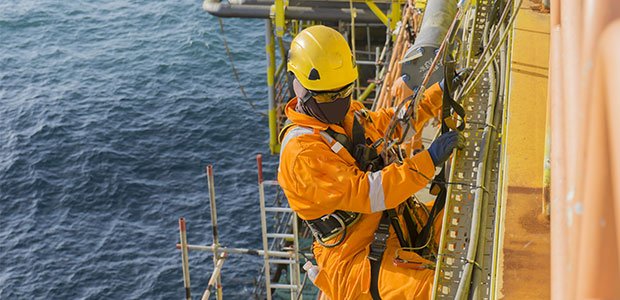
In the oil & gas industry, fire safety solutions for oil and gas aren’t optional — they’re vital. From offshore rigs to onshore refineries, mitigating fire, explosion, and leak risks requires proactive systems and expert support.
📑 Table of Contents
1. Emergency Response Services
First of all, emergency response teams are your first line of defense. Blue BMS works with top-tier partners to ensure:
- Mobile fire response units with foam suppression
- Rapid deployment of gas mitigation systems
- Specialized marine and offshore intervention
2. Certified Safety Training
Secondly, training transforms theory into readiness. Blue BMS customizes fire safety training for:
- Evacuation drills and extinguisher use
- API/NFPA-based certifications
- Gas leak and confined space response
3. Personal Protective Equipment (PPE)
Additionally, PPE protects workers at the frontline. Here’s how key equipment compares:
| PPE Type | Application | Certification |
|---|---|---|
| FR Clothing | Flash fire protection | NFPA 2112, ISO 11612 |
| SCBA | Confined entry, gas leaks | NIOSH, EN 137 |
| Helmets & Gloves | Impact & thermal protection | ANSI, EN 388 |
4. Contractors for Hazard Assessments
Moreover, third-party audits and hazard assessments prevent compliance gaps. We help clients identify risks using:
- Flammable zone classification (ATEX, IECEx)
- Escape route simulations
- Thermal imaging inspections
5. Gas Detection & Monitoring
Equally important, gas detection ensures early alert before ignition occurs. We provide:
- Portable single/multi-gas detectors
- Fixed point detectors and flame sensors
- Integration with fire & gas PLC panels
6. Oil Spill Containment & Cleanup
Furthermore, spills aren’t just environmental — they’re ignition hazards. Blue BMS supplies:
- Marine spill kits, booms, and skimmers
- Hydrocarbon-absorbing pads
- On-site cleanup systems with trigger-based alerts
7. Explosion-Proof Equipment
Next, ATEX-certified devices are critical for classified zones. Our offerings include:
- Explosion-proof heat/smoke detectors
- ATEX-rated surveillance cameras
- Flameproof enclosures & control panels
8. Safety Signage & Labeling
Notably, signage supports rapid decisions. We design custom labels and signs for:
- Tank and pipe hazard zones
- Emergency exit pathways
- Multilingual and ISO-compliant tags
9. Offshore Safety Audits
Undoubtedly, offshore environments require detailed audits. We conduct:
- Annual NFPA 72 and OSHA reviews
- Corrective action planning
- Firewater system hydraulic testing
10. Confined Space Entry Safety
Lastly, confined spaces like tanks and pits demand extreme care. Our packages include:
- O2 and multi-gas monitors
- Tripod and winch retrieval systems
- Remote video surveillance during entry
🔍 Frequently Asked Questions
Which gas detector is best for offshore use?
For offshore, use infrared or catalytic bead detectors with IP67 casing and remote data access.
Are foam systems mandatory for tanks?
Yes. NFPA 11 and API 2030 require foam suppression for hydrocarbon tank storage.
How often should audits be performed?
Annually, with quarterly functionality tests recommended.
Can portable gas detectors replace fixed ones?
No. Portables protect individuals; fixed systems protect infrastructure and detect ambient risks.
📌 Related Content
- How to Integrate Fire Safety with BMS in Refineries
- Comparing Fire Suppression Agents for Offshore Use
- Best Practices for Fire Safety System Maintenance
- Using AI to Predict Fire Risks in Oil & Gas
Still have questions? Talk to a fire safety engineer at Blue BMS and get a custom safety plan.