The 7 Fundamental Fire Safety Measures to Mitigate Fire Risks in Buildings
Fire safety is not just a regulatory obligation — it’s a competitive advantage. Designing, operating, and maintaining buildings with effective fire prevention and control strategies reduces operational risks, protects lives, and prevents severe financial losses.
Furthermore, in this article you’ll learn the 7 essential fire safety control measures every safety manager, facilities engineer, and systems integrator should implement to ensure compliance, resilience, and operational continuity.
📑 Table of Contents
- 1. Fire Risk Assessment
- 2. Fire Detection and Alarm Systems
- 3. Firefighting Equipment
- 4. Safe and Unobstructed Escape Routes
- 5. Safe Storage of Combustible Materials
- 6. Fire Safety Plan and Training
- 7. Fire Safety Culture and Continuous Communication
- 🔍 FAQ – Frequently Asked Questions About Fire Safety
- 📌 Conclusion: Fire Safety is a Strategic Decision
1. Fire Risk Assessment
Firstly, a solid fire risk assessment is the cornerstone of any mitigation strategy. Subsequently, you should analyze ignition sources (such as equipment, heat, or sparks), combustible materials, building layout, and obstructions in evacuation routes. Moreover, risk assessment tools like a risk matrix and code‑based checklists (e.g., NFPA 101, NBR 9077, NBR 17240) are indispensable. In addition, involving your engineering team and facility staff ensures nothing is overlooked.
2. Fire Detection and Alarm Systems
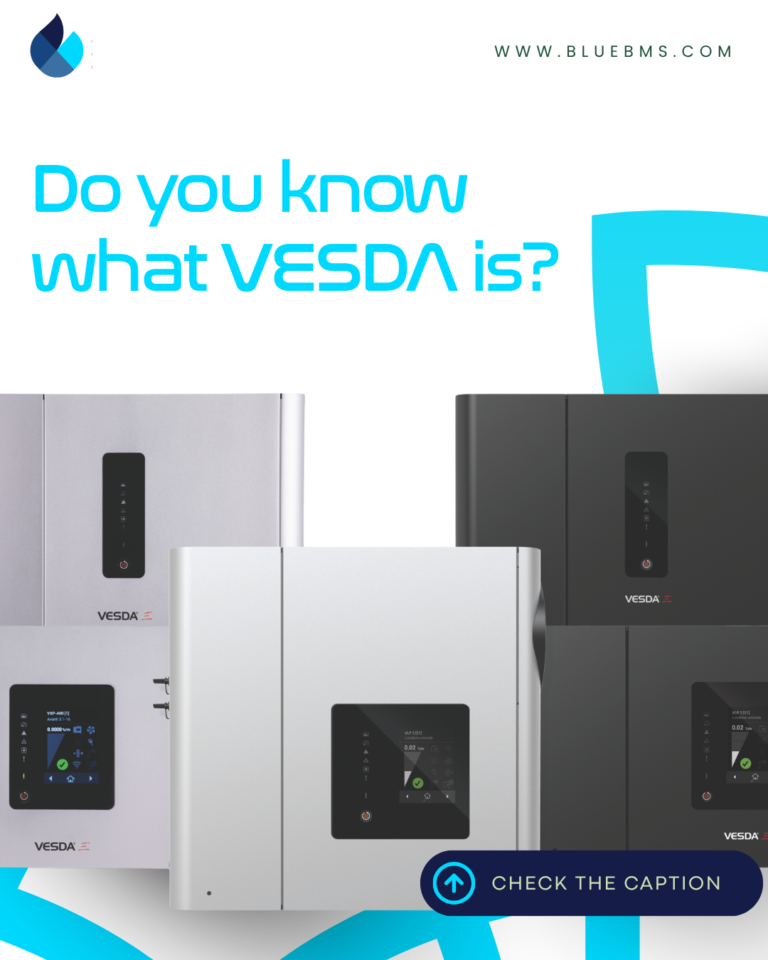
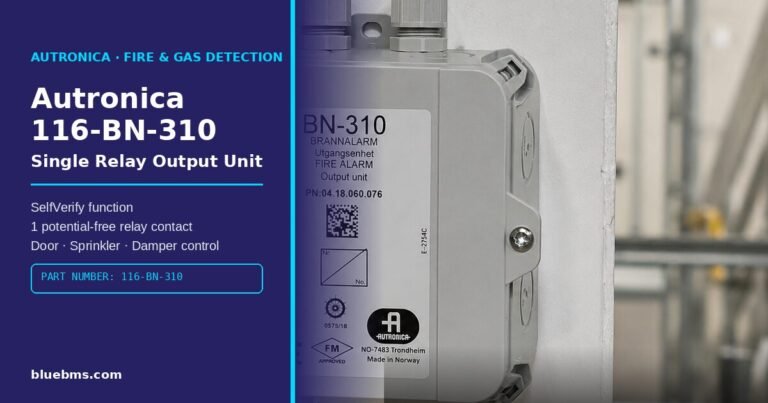
Consequently, early detection plays a vital role in saving lives and assets. For instance, you can use optical, thermal, or multi‑criteria detectors in general occupancy areas. Meanwhile, in critical environments such as data centers, adopt aspiration systems like VESDA for ultra‑early warning. Furthermore, integrate addressable panels into your BMS to centralize alarms and monitoring. Also, regular maintenance is mandatory: monthly functional tests and biannual inspections by certified providers.
3. Firefighting Equipment
Additionally, extinguishers and suppression systems must match the hazard class and spatial configuration. For example, install water, CO₂, dry chemical, and foam extinguishers at appropriate locations. Moreover, deploy automatic sprinklers in medium‑ to high-risk zones, and use clean agent systems (FM‑200, Novec 1230, Inergen) in areas where water damage is unacceptable. Also, ensure periodic checks and pressure tests to maintain full functionality.
4. Safe and Unobstructed Escape Routes
Therefore, corridors and stairways should always be kept free of obstacles. In addition, fire doors require routine inspections and must open reliably in emergencies. Moreover, include emergency lighting and photoluminescent signage that comply with relevant code requirements to guide occupants during power failures. And daily visual checks by facilities teams further help ensure continuous compliance and occupant safety.
5. Safe Storage of Combustible Materials
Meanwhile, improper storage of flammable materials often exacerbates fire incidents. Thus, implement storage by chemical compatibility and use certified fire‑resistant cabinets. Also, limit quantities of combustible materials in active operational zones. Periodic inventory reviews help detect risks before they escalate.
6. Fire Safety Plan and Training
Also, your fire safety plan should clearly outline evacuation procedures, floor wardens by zone, emergency contacts, and coordination with local fire authorities. Meanwhile, training is essential: conduct biannual fire drills, offer onboarding training for new personnel, and schedule annual refreshers. In addition, record performance metrics, gather feedback, and refine procedures to improve response times and reduce panic.
7. Fire Safety Culture and Continuous Communication
Lastly, safety systems succeed only when people adopt safe behaviors and remain aware. To foster culture, publish internal safety bulletins and run awareness campaigns. Furthermore, include fire safety modules in your onboarding programs. Also, recognize and reward safe behaviors and near‑miss reporting. Ultimately, consistent communication and positive reinforcement embed fire safety as a core value.
🔍 FAQ – Frequently Asked Questions About Fire Safety
What are the most effective types of fire detection systems?
It depends on the environment. For instance, optical detectors perform well in offices, while data centers demand aspiration systems like VESDA for ultra‑early detection.
How often should I review my fire emergency plan?
Typically, every 12 months or following any change in layout, occupancy, or installed safety systems.
Are sprinklers mandatory in commercial buildings?
It depends on the risk classification and local fire codes. In many jurisdictions, buildings above a certain size or occupancy threshold require sprinklers.
How can I integrate fire safety systems into my BMS?
Use addressable panels with open protocols (such as BACnet or Modbus) to allow centralized alarm supervision and control through your Building Management System.
Can I use the same extinguisher for any type of fire?
No. Each fire class (A, B, C, K) requires a corresponding extinguisher. Using the wrong type may worsen damage and risk.
📌 Conclusion: Fire Safety is a Strategic Decision
Undoubtedly, fire incidents pose grave risks to life, property, and business operations. Ignoring fire safety is not just a compliance gap — it’s a strategic vulnerability. By implementing these 7 control measures, you strengthen your prevention and response systems, align your infrastructure with global best practices, and build trust with clients and stakeholders.
Looking to improve fire safety in your building or facility? Contact our team for technical guidance tailored to your project.
Technical and Regulatory References: